


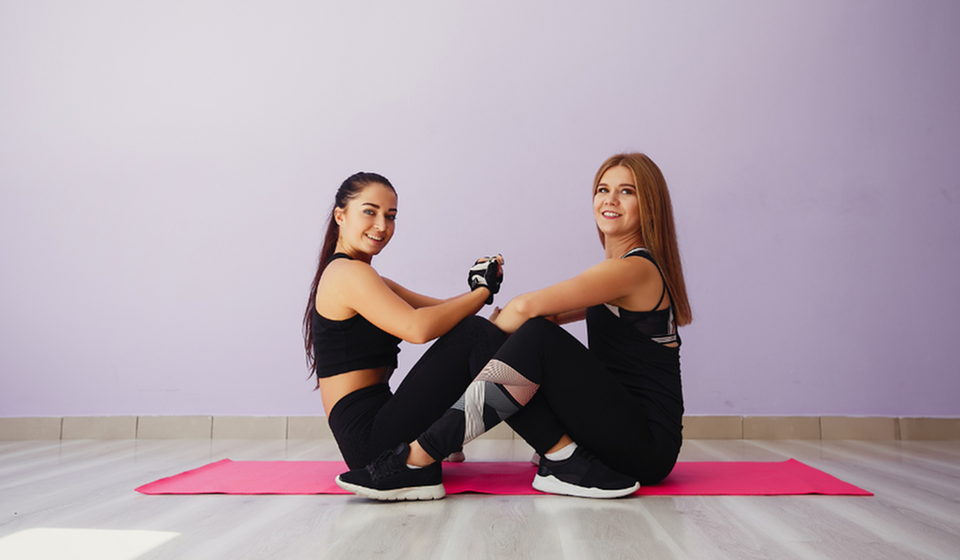
Winter often brings cold weather, short days, and limited outdoor activity. For many students, this season can reduce movement and energy levels. Snow, ice, and low temperatures may make walking, running, or outdoor sports less appealing. At the same time, academic work often increases, leading to long hours of sitting and screen time.
Staying active during winter is important for both physical and mental health. Regular movement helps improve focus, manage stress, and support better sleep. The good news is that students don’t need intense workouts or large spaces to stay active. This article explores easy indoor fitness ideas that help students stay active, healthy, and balanced throughout the winter months.
How does low-impact fitness work well in winter?
Low-impact exercise places less pressure on joints while still supporting strength and movement. These activities are ideal during winter when bodies may feel stiff or tired due to cold weather.
For students, low-impact workouts fit well into small rooms and busy schedules. They do not require special equipment and can be done at any time of day. This makes them easier to maintain as part of a daily routine. Low-impact fitness also reduces the risk of injury, which is helpful during winter when muscles may feel tight or less flexible.
Fitness steps for students while staying indoors
Indoor walking and step movements
Walking indoors is one of the simplest ways to stay active. Students can walk in place, move around their living space, or follow guided walking videos. Adding arm movements increases circulation and energy.
Step movements, such as stepping side to side or forward and back, help improve balance and coordination. These exercises work well during study breaks and don’t require much space. Short walking sessions spread throughout the day can support steady movement without causing tiredness.
Stretching and gentle mobility
Stretching helps reduce muscle stiffness and supports better posture. Long study hours often cause tension in the neck, back, and shoulders. Gentle stretching helps release this tension. Simple stretches include neck rolls, shoulder circles, and slow side bends. Floor stretches for legs and hips also help improve comfort during colder months. Mobility exercises focus on smooth and controlled movement. These help joints stay flexible and reduce discomfort during daily tasks.
Yoga for balance and Calm
Yoga is a popular low-impact activity for students during winter. It combines stretching, balance, and breathing in a calm and controlled way. Simple yoga poses help improve strength while supporting relaxation. Yoga also helps reduce stress, which is common during exams and busy weeks. Many yoga routines are short and easy to follow. Students can practice in their room using a mat or soft surface.
Pilates for core strength
Pilates focuses on slow and controlled movements that support core strength. These exercises improve posture and body awareness, which is helpful for students who spend time sitting. Basic Pilates moves target the abdomen, back, and hips. They require focus but do not strain the body. Pilates routines are often quiet and space-friendly, making them suitable for shared living spaces.
Dance-based movements
Light dance movement is another enjoyable way to stay active. Dancing increases heart rate while keeping movement smooth and flexible. Students can follow simple dance videos or move freely to music. This type of activity helps improve mood and reduce winter stress. Dance sessions do not need structure and can last as long or as short as needed.
Breathing and mindful movement
Breathing exercises support relaxation and mental clarity. Controlled breathing helps reduce stress and supports focus during study sessions. Mindful movement combines slow motion with breathing. This approach encourages awareness of posture and movement quality. Students can use mindful movement as a short reset between classes or assignments.
Creating a simple indoor fitness routine
Consistency matters more than intensity. Students benefit from setting small and realistic goals. A simple routine may include stretching in the morning, walking in place during breaks, and gentle movement in the evening. These habits support daily activity without effort. Having a set time for movement helps build routine during the winter months.
Staying motivated during the cold season
Motivation can drop during winter. Setting reminders or tracking progress helps students stay on track. Working out with friends online or sharing routines can increase accountability. Listening to music or podcasts during movement also adds enjoyment. Choosing activities that feel comfortable helps maintain long-term habits.
Conclusion
Choosing a living space that supports daily comfort and movement can influence how active students remain during winter. For students searching for apartments for rent near Waterloo University, access to indoor-friendly layouts and shared spaces can support healthy routines throughout the colder months.
At 308 King, students live in fully furnished apartments designed for everyday student needs. The building includes shared areas that allow residents to move, stretch, or relax indoors while connecting with others. A student-focused community setting supports both physical activity and social comfort during winter, helping students stay balanced while managing their studies.