
Blog Posts

How students can manage university demands and personal ambition-image

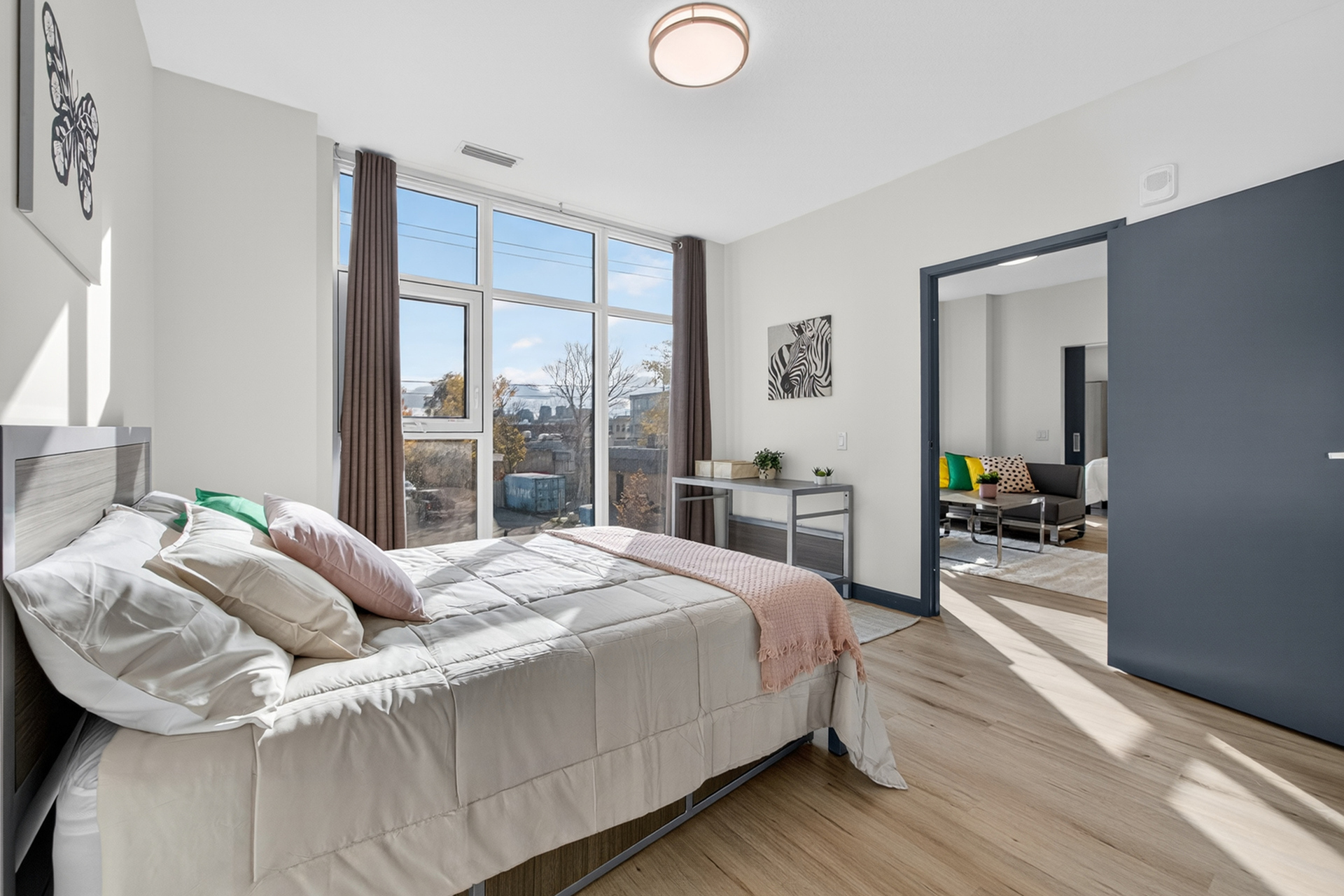
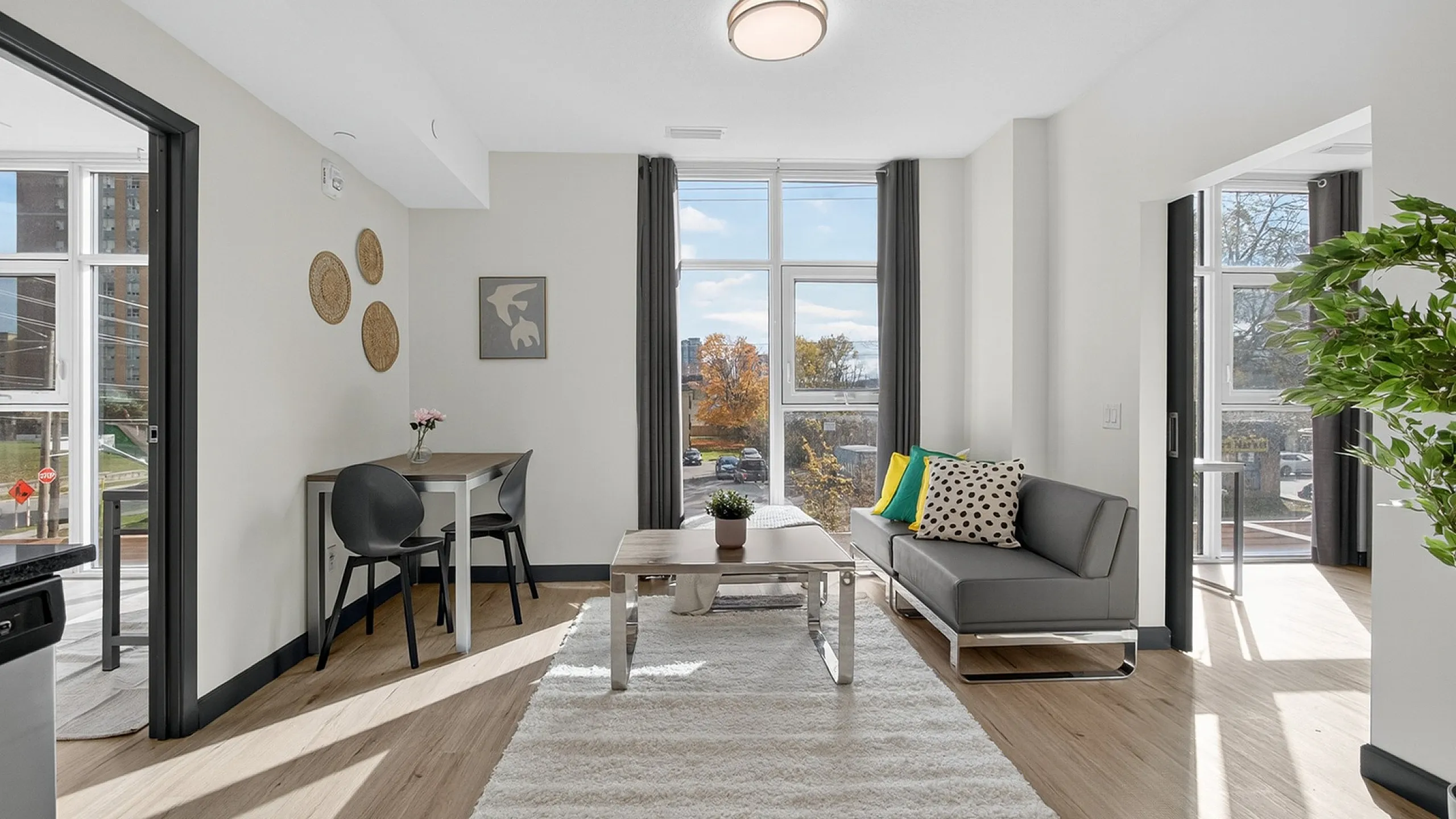
University life is an exciting chapter filled with learning, personal growth, and opportunities. But it can also be overwhelming. Between attending lectures, completing assignments, preparing for exams, and pursuing personal ambitions, you often feel stretched thin. The best way to succeed during this time is learning how to balance academic responsibilities with personal goals. With the right strategies and a supportive living environment, you can succeed academically while chasing your personal goals. How can you find balance in your life? University introduces a new set of responsibilities and expectations. From attending lectures and completing assignments to participating in extracurricular activities and considering future career options, it can feel like there aren’t enough hours in the day.  At the same time, personal ambition drives you to explore passions, work on projects, or maintain part-time employment. Finding a balance between academic demands and personal goals is crucial for maintaining mental and physical health, building confidence, and achieving meaningful growth. Tips for balancing university demands and personal ambition Achieving a balance between academic and personal priorities requires planning and strategies. Here are practical tips: Set clear priorities: The university offers many opportunities, from extra courses and research projects to clubs and social events. It’s important to decide what matters most to you and focus your time and energy on those things. Learning to say no to activities that don’t support your long-term goals is a valuable skill that helps you maintain balance and stay on track. Plan and schedule: Effective time management is key. Using a calendar, planner, or digital app to block out study time, work shifts, social activities, and rest periods can help you stay organized and on top of your commitments. Be mindful of part-time work: While part-time work can help you earn money and gain experience, it shouldn’t take priority over your studies. Make sure to communicate clearly with your employer about your availability, and ensure your work schedule doesn’t interfere with your classes, assignments, or personal well-being Create a support network: Having a reliable network of friends, family, tutors, or support services can help reduce stress and guide you as you balance multiple commitments. A strong support network provides encouragement, helps you solve problems, and contributes to a healthier, more balanced university experience. How can you manage time effectively? Time management is one of the most important skills you can develop. Effective time management helps you balance academic demands with personal goals, reduce stress, and achieve more in less time.  Break large tasks into smaller steps. Create a daily or weekly schedule that includes study time, breaks, and personal activities. Prioritize tasks based on urgency and importance. By managing time wisely, you can meet deadlines and still enjoy hobbies or social life. Conclusion   Managing university demands while pursuing personal ambitions is all about finding balance, staying organized, and having the right support system. By setting clear priorities, planning your schedule, being mindful of part-time work, and building a reliable support network, you can reduce stress, improve academic performance, and continue growing personally. Choosing the right living environment can also make this balance much easier.    At 308 King, you get fully furnished off-campus housing near Wilfrid Laurier University in Waterloo . With comfortable spaces and a well-connected neighbourhood, your daily routine becomes easier to manage. If you’re looking for a place that helps you stay focused, organized, and at ease, explore what 308 King has to offer and see how the right space can support your university demands and personal ambition. Frequently asked question How can I balance my studies and personal goals? Start by planning your schedule, prioritizing tasks, and setting clear goals. Allocate time for both academics and personal projects while maintaining a balanced lifestyle. What role does my living environment play in managing university demands? A supportive living environment reduces distractions and provides comfort, which helps you focus on studies and personal growth. Residences with amenities like study spaces, lounges, and wellness facilities can enhance productivity. How do I stay motivated when university life gets overwhelming? Celebrate small achievements, stay connected with supportive peers, and remind yourself of your long-term goals. Flexibility and adaptability also help manage stress effectively. Can joining student groups help with personal ambition? Yes. Student groups provide networking opportunities, skill-building experiences, and support, all of which can help you advance personal goals alongside academic success.

Read more

How to make the most of your student accommodation with yoga-image

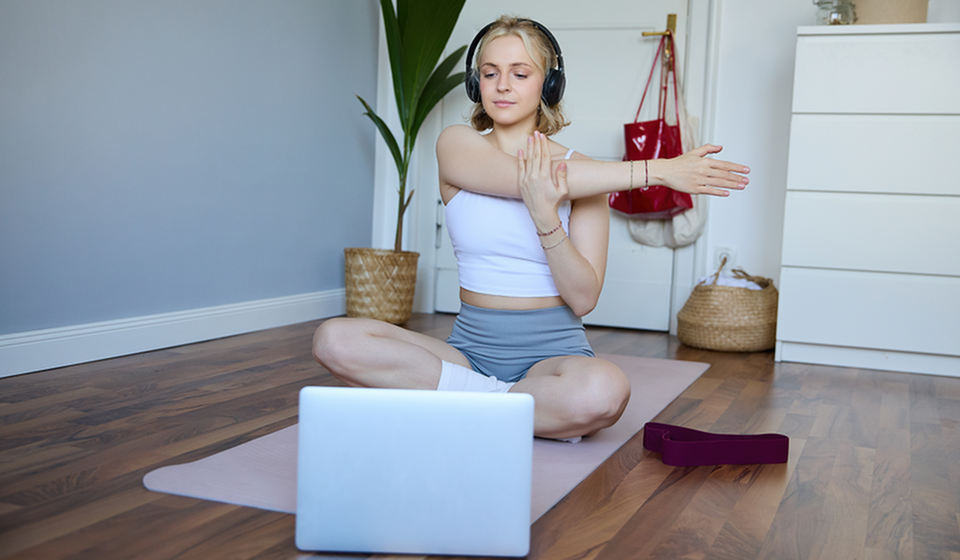
Your student life is exciting, but it can also be overwhelming. Long lectures and assignment deadlines can strain both your body and mind. The good news is that you don’t need a large studio or expensive equipment to feel balanced and energized. With a little creativity, you can turn your off-campus accommodation into a calming yoga-friendly space. Here is how to make the most of your accommodation with yoga and create a healthier daily routine. Why yoga matters for students Yoga is more than just stretching or exercise. It helps improve both mental and physical health. You can benefit from yoga by: Reducing stress and anxiety: Yoga encourages relaxation and mindfulness, helping you manage the pressures of university life. Improving focus and concentration: Short yoga sessions can boost brain function, helping with studying and exam preparation. Improving physical health: Consistent yoga practice improves posture and increases flexibility, which is especially valuable for those who spend long hours studying. Creating a positive living environment: Practicing yoga can make your accommodation feel calmer and more welcoming. Tips for practicing yoga in your off-campus housing Living in a student apartment can be more than just a place to sleep and study. Choosing a space that supports both your academic and personal well-being is important. One simple way to make the most of your accommodation is by practicing yoga. Here are some tips to help you get started: Choose a comfortable space: Even a small area in your room can work for yoga. Creating a dedicated corner for yoga makes it easier to stay consistent and enjoy your practice. Set a routine: Consistency is key for yoga to have lasting benefits. Try short sessions in the morning to energize yourself or in the evening to relax before bed. Even 10 to 15 minutes daily can improve flexibility, posture, and focus. Keep it consistent during busy weeks: Even during exams or assignment deadlines, try short sessions to manage stress. A consistent practice supports both your physical and mental health. Make your apartment a relaxing environment: Use lighting, music, or a small scented candle to create a peaceful atmosphere. A calming space improves your yoga practice and makes your apartment feel more like home By following these tips, you can turn your accommodation into a space that supports both your studies and your health. Choosing a wellness-friendly student home When searching for apartments for rent near Waterloo University , it’s important to pick a place that supports your overall well-being. At 308 King, thoughtfully designed spaces make it easy to create a calm, focused environment where you can practice yoga, reduce stress, and maintain balance between academics and self-care. With comfortable private rooms and a convenient location, your accommodation can become a space that nurtures both your mind and body. Conclusion Practicing yoga in your accommodation is a simple yet powerful way to support both your physical and mental well-being. From creating a comfortable space and setting a consistent routine, there are many ways to make yoga an enjoyable part of your daily life. Choosing accommodation that supports your wellness goals, whether it includes dedicated spaces or simply enough room to create your own yoga corner, can make a big difference in maintaining balance, focus, and overall health. At 308 King , you can find apartments that offer both comfort and the space needed to practice yoga regularly. Choosing a supportive living environment can improve your experience, well-being, and make the most of your university years. Frequently asked questions Can I practice yoga in a small room? Yes! You don’t need a lot of space for yoga. Even a small area with enough room to stretch your arms and legs is enough. Using a yoga mat or soft surface makes it more comfortable. How long should I practice yoga each day? Even 10–15 minutes daily can make a difference. You can do a short morning session to energize yourself or an evening session to relax before bed. Can yoga help me manage university stress? Absolutely. Yoga promotes relaxation, mindfulness, and better focus, making it an excellent tool for managing academic pressure and stress. Can I do yoga with my roommates or friends? Yes, practicing yoga together can be motivating and fun. Just make sure everyone has enough space to move safely. What equipment do I need for yoga in student housing? You only need a yoga mat or a soft surface. Optional items include a cushion, yoga blocks, or a strap, but they are not necessary for beginners. How can yoga improve my accommodation experience? Yoga can make your living space feel calmer and more welcoming. It encourages relaxation, focus, and a healthier lifestyle, helping you make the most of your student life.

Read more
Morning, afternoon, or night study sessions and what works best-image

Choosing the right time to study is not about following a fixed rule. It’s about understanding how your energy, focus, and behaviour change throughout the day. You may feel sharp early in the morning, steady in the afternoon, or fully alert at night. Each study window has its strengths, and knowing how to use them can help you get more done with less stress.  This guide breaks down morning, afternoon, and night study sessions. Here, you can discover what works best at each time, what challenges to expect, and how to adjust your routine based on how you function. Instead of forcing yourself into an ideal schedule, you can build one that fits your natural rhythm and your daily commitments. Finding the best time to study Morning study sessions and when they work best Morning study sessions work well if you feel clear-headed after waking up. The brain is often less cluttered with distractions at this time, since messages, notifications, and social plans have not yet taken over your attention. This time of day is well-suited for: Reading dense material Reviewing notes Writing or outlining ideas Memorizing key points That’s why mornings are often effective for tasks that require steady attention rather than quick reactions. If you live in a quiet neighbourhood or a calm residence, mornings can feel especially productive. However, mornings are not ideal for everyone. If you struggle to wake up or feel slow during early hours, forcing long study sessions can lead to frustration. In that case, short and focused sessions work better than long ones. Making the most of your mornings If mornings are your preferred time, preparation matters. Going to bed at a consistent hour supports better focus. A simple routine helps, too. Light movement, breakfast, and a clear plan for what you want to study can make a noticeable difference. At the same time, avoid overloading your morning. Pick one or two important tasks and give them your full attention. This approach prevents burnout early in the day and keeps your energy stable for later hours. Afternoon study sessions and steady performance Afternoons are often underestimated. While energy levels may dip after lunch, this time can still support effective study when used well. The afternoon is usually more structured, with classes, work shifts, or planned activities shaping your schedule. This period works best for: Practice-based work Group discussions Problem-solving tasks Reviewing material covered earlier This is where consistency helps. Even if your focus is not at its peak, regular afternoon study builds momentum. Short breaks and light movement can reduce mental fatigue and keep you engaged. Managing distractions in the afternoon Afternoons bring more interruptions. Messages increase. Noise levels rise. That’s why setting boundaries is important. Choosing a quiet centre, library, or private space can help you stay focused. In other words, the environment matters more in the afternoon than the exact time itself. A well-organized space, reliable Wi-Fi, and comfortable seating can turn an average study window into a productive one. This is also a good time to use tools like timers or checklists to stay on track. Night study sessions and deep focus Night study sessions appeal to those who feel most alert after sunset. The world slows down, and distractions often fade. For some people, this quiet creates deep focus and creative thinking. Night sessions work well for: Writing assignments Reviewing concepts calmly Planning upcoming tasks Reflecting on what you learned during the day That’s why night study often feels satisfying. You can work without interruptions and move at your own pace. However, this schedule requires balance. Studying too late can affect sleep, which impacts focus the next day. Protecting your energy at night If you study at night, set a clear end time. This helps your brain wind down. Soft lighting, reduced screen brightness, and light snacks instead of heavy meals support better rest. At the same time, avoid starting demanding tasks very late. Save intense work for earlier hours and use the night for review or planning. This keeps your routine sustainable and protects your long-term focus. How your living space supports your routine Your study schedule is easier to maintain when your living space supports it. Quiet rooms, comfortable furniture, strong fibre internet, and shared areas designed for focus all influence how well you can study at different times of the day. Living in a space that understands your routine reduces friction. You spend less time adjusting and more time learning. Access to nearby services, a safe neighbourhood, and well-managed facilities also contribute to peace of mind. Conclusion Finding the right study time is about alignment, not pressure. When your schedule works with your natural rhythm, studying feels more manageable and less exhausting. Whether you prefer mornings, afternoons, or nights, the right environment makes a clear difference. That’s why choosing supportive housing matters as much as choosing a study plan, especially when comparing options like off-campus housing in Waterloo. At 308 King, you get fully furnished off-campus housing near Wilfrid Laurier University in Waterloo , designed around how you actually live and study. With comfortable private spaces and a well-connected neighbourhood, your daily routine becomes easier to manage. If you’re looking for a place that supports focus, balance, and comfort, explore what 308 King has to offer and see how the right space can support your academic goals.

Read more
Top advantages of living close to the University of Waterloo-image

Where you live shapes how your day flows. When your housing is close to the University of Waterloo, daily routines become easier to manage, time feels more flexible, and your focus improves naturally. Shorter travel times, better access to resources, and a stronger sense of connection to your surroundings all contribute to a more balanced academic life. Living nearby affects your behaviour, your energy levels, and how smoothly you move between study, rest, and social time. This guide explains the practical advantages of living close to campus. Benefits of living close to a university campus Less time commuting, more time for what matters One of the most noticeable benefits of living close to the University of Waterloo is the time you save every day. Short walks or quick bike rides replace long bus routes or traffic delays. Instead of planning your schedule around travel, you can plan around priorities. Extra time in the morning allows for better preparation. Evenings feel less rushed. At the same time, fewer transit worries reduce mental fatigue. Over weeks and months, these small time savings add up. Stronger connection to campus life Being close to campus helps you stay involved without feeling overwhelmed. Events, workshops, and social activities are easier to attend when travel is not a barrier. That’s why living nearby often leads to a more active routine. You can participate when it suits you and head home quickly when you need quiet time. This balance supports better focus and reduces burnout.  More control over your study environment Living close gives you the flexibility to choose where and how you study. You can move between your room, off-campus spaces, and nearby study spots based on your mood and task. If you need quiet, you have options. If you prefer group work, you can meet nearby. This control over your environment leads to better focus and reduced frustration.  Why choose 308 King for comfortable living? Close to the university campus: Living close to Waterloo University makes daily life easier. 308 King offers apartments for rent near Waterloo University , so you spend less time commuting and more time focusing on classes, study sessions, and personal time. Shorter travel distances help reduce stress and keep your routine predictable, especially during busy academic periods. Ready-to-use furnished spaces: Moving in should be simple. At 308 King , your space is fully furnished from day one. You don’t need to worry about shopping for furniture, setting up beds, or finding appliances. Everything is set up so you can start living, studying, and focusing on what matters without delay. Designed for real routines: A comfortable living space supports your daily rhythm. 308 King offers layouts that make sense for how you live, rest, and work. There are quiet corners for studying, spacious areas to relax, and shared spaces that match your pace. Convenient neighbourhood and access: Location matters. 308 King sits close to transit, shops, cafes, and services you visit often. This reduces travel time and gives you easy access to what you need. At the same time, daily errands become quicker and less stressful.

Read more
Student Housing Near University of Waterloo | 308 King-image

Student Housing Near University of Waterloo on King Street King Street remains one of the most desirable locations for students looking for student housing near the University of Waterloo due to its proximity to campus, transit, and study-friendly cafés. Why Students Choose King Street UW students consistently prioritize access to quiet cafés and social study spaces when choosing where to live. Many of these are located along King Street and Uptown Waterloo. Source: https://uwaterloo.ca/environment-students-society/blog/best-cafes-studying-waterloo-region Distance to Campus University of Waterloo : ~12–15-minute walk Wilfrid Laurier University : ~10-minute walk Uptown Waterloo : walkable ION LRT : nearby Students can review available student floor plans near the University of Waterloo ( 308 King Apartment Rentals ) . Off-Campus Housing Near UW 308 King, located at 308 King St N, offers walkable student apartments near the University of Waterloo in a high-demand corridor. View current availability and apply now for student housing near UW ( Apply Now to 308 King ) . FAQs – 308 King How far is 308 King from the University of Waterloo? 308 King is approximately a 12–15-minute walk to campus. Why do students prefer King Street? King Street offers walkability, transit access, and proximity to Uptown Waterloo amenities. Is this location close to Laurier as well? Yes. Wilfrid Laurier University is roughly a 10-minute walk away. Where can I see available floor plans? View current student floor plans near the University of Waterloo ( 308 King Apartment Rentals ) . How can I apply for housing? Secure your unit by selecting apply now for student housing near UW ( Apply Now to 308 King ) .  

Read more
Low-impact indoor fitness ideas to help students stay active in winter-image

Winter often brings cold weather, short days, and limited outdoor activity. For many students, this season can reduce movement and energy levels. Snow, ice, and low temperatures may make walking, running, or outdoor sports less appealing. At the same time, academic work often increases, leading to long hours of sitting and screen time. Staying active during winter is important for both physical and mental health. Regular movement helps improve focus, manage stress, and support better sleep. The good news is that students don’t need intense workouts or large spaces to stay active. This article explores easy indoor fitness ideas that help students stay active, healthy, and balanced throughout the winter months. How does low-impact fitness work well in winter? Low-impact exercise places less pressure on joints while still supporting strength and movement. These activities are ideal during winter when bodies may feel stiff or tired due to cold weather. For students, low-impact workouts fit well into small rooms and busy schedules. They do not require special equipment and can be done at any time of day. This makes them easier to maintain as part of a daily routine. Low-impact fitness also reduces the risk of injury, which is helpful during winter when muscles may feel tight or less flexible. Fitness steps for students while staying indoors Indoor walking and step movements Walking indoors is one of the simplest ways to stay active. Students can walk in place, move around their living space, or follow guided walking videos. Adding arm movements increases circulation and energy. Step movements, such as stepping side to side or forward and back, help improve balance and coordination. These exercises work well during study breaks and don’t require much space. Short walking sessions spread throughout the day can support steady movement without causing tiredness. Stretching and gentle mobility Stretching helps reduce muscle stiffness and supports better posture. Long study hours often cause tension in the neck, back, and shoulders. Gentle stretching helps release this tension. Simple stretches include neck rolls, shoulder circles, and slow side bends. Floor stretches for legs and hips also help improve comfort during colder months. Mobility exercises focus on smooth and controlled movement. These help joints stay flexible and reduce discomfort during daily tasks. Yoga for balance and Calm Yoga is a popular low-impact activity for students during winter. It combines stretching, balance, and breathing in a calm and controlled way. Simple yoga poses help improve strength while supporting relaxation. Yoga also helps reduce stress, which is common during exams and busy weeks. Many yoga routines are short and easy to follow. Students can practice in their room using a mat or soft surface. Pilates for core strength Pilates focuses on slow and controlled movements that support core strength. These exercises improve posture and body awareness, which is helpful for students who spend time sitting. Basic Pilates moves target the abdomen, back, and hips. They require focus but do not strain the body. Pilates routines are often quiet and space-friendly, making them suitable for shared living spaces. Dance-based movements Light dance movement is another enjoyable way to stay active. Dancing increases heart rate while keeping movement smooth and flexible. Students can follow simple dance videos or move freely to music. This type of activity helps improve mood and reduce winter stress. Dance sessions do not need structure and can last as long or as short as needed. Breathing and mindful movement Breathing exercises support relaxation and mental clarity. Controlled breathing helps reduce stress and supports focus during study sessions. Mindful movement combines slow motion with breathing. This approach encourages awareness of posture and movement quality. Students can use mindful movement as a short reset between classes or assignments. Creating a simple indoor fitness routine Consistency matters more than intensity. Students benefit from setting small and realistic goals. A simple routine may include stretching in the morning, walking in place during breaks, and gentle movement in the evening. These habits support daily activity without effort. Having a set time for movement helps build routine during the winter months. Staying motivated during the cold season Motivation can drop during winter. Setting reminders or tracking progress helps students stay on track. Working out with friends online or sharing routines can increase accountability. Listening to music or podcasts during movement also adds enjoyment. Choosing activities that feel comfortable helps maintain long-term habits. Conclusion Choosing a living space that supports daily comfort and movement can influence how active students remain during winter. For students searching for apartments for rent near Waterloo University , access to indoor-friendly layouts and shared spaces can support healthy routines throughout the colder months. At 308 King , students live in fully furnished apartments designed for everyday student needs. The building includes shared areas that allow residents to move, stretch, or relax indoors while connecting with others. A student-focused community setting supports both physical activity and social comfort during winter, helping students stay balanced while managing their studies.

Read more