
How student food choices impact the environment
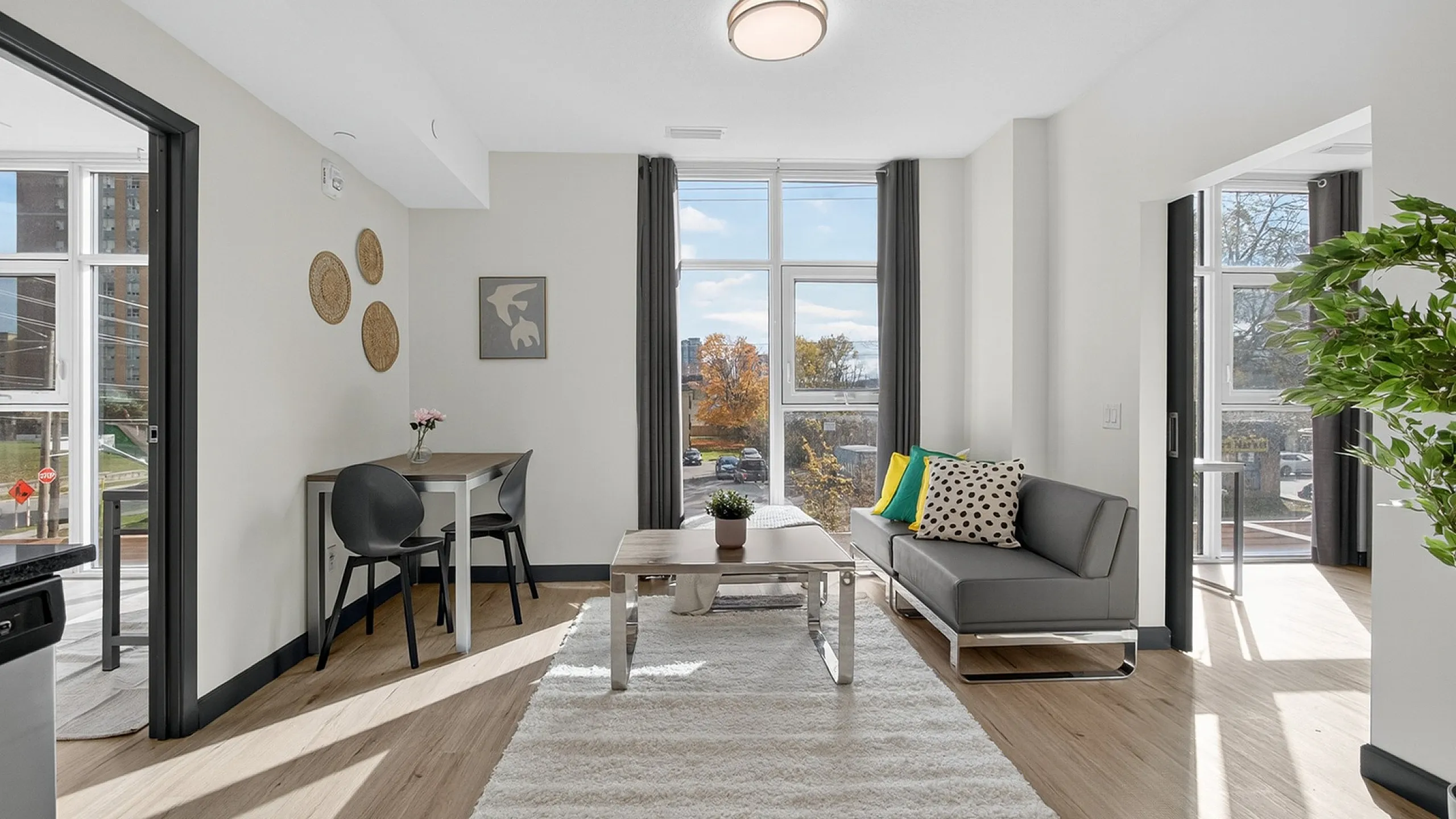
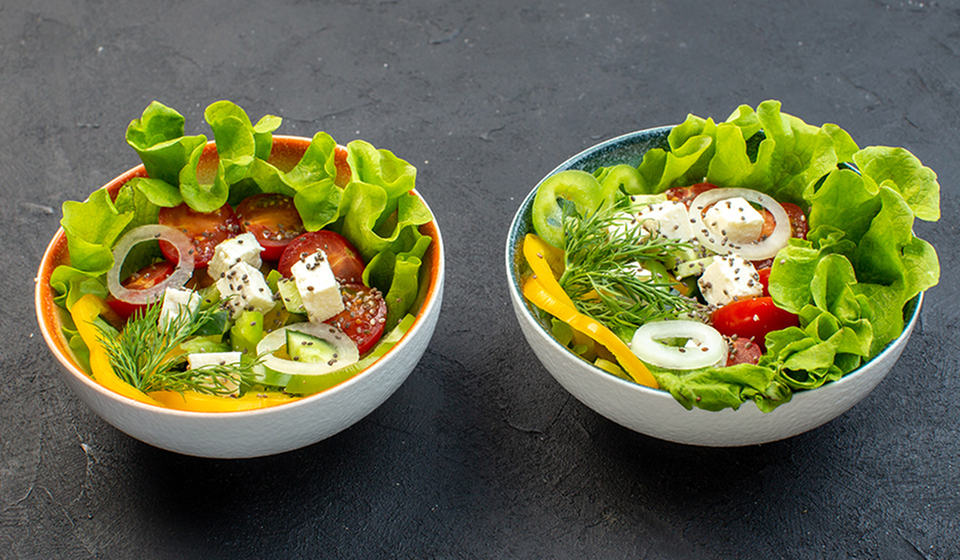
Every day, what students eat does more than just fill their bellies. Food choices affect land, water, energy, and the air. When students choose foods that are grown far away, heavily processed, or wrapped in a lot of plastic, these choices cause extra pollution, use more fuel, and increase carbon emissions. On the other hand, eating fresh, local, plant-based, simple meals can reduce waste and harm to our planet. Living in off-campus student apartments in Waterloo gives you a chance to make better food decisions. When you live close to grocery stores or markets, it becomes easier to buy local fruits and vegetables. Being near transit or within walking distance makes shopping simpler and reduces the environmental cost of getting food. In off-campus student apartments in Waterloo, you often share kitchens or live in fully furnished suites, so you can cook, reuse containers, and plan meals. These habits add up to real environmental benefits. How food choices affect the environment Carbon emissions from transport and production Foods that travel long distances need trucks, ships, or planes to bring them to you. This food miles concept means more fuel is burned and more greenhouse gases are produced. Also, meat production often requires more land and water and produces more emissions than growing plants. Choosing more plant-based foods or eating less processed meat cuts down on these emissions. Land use, water, and biodiversity Animal farming needs large areas of land for grazing or for growing feed. This can lead to deforestation, loss of wildlife habitat, and soil erosion. It also uses large amounts of water. Growing crops closer to where students live (for example, in and around Waterloo) helps reduce these effects. Forested or natural land is better preserved, and biodiversity is supported. Waste and packaging Packaged and processed foods often come sealed in plastics, cans, or other non-biodegradable materials which contribute to waste. Leftovers, spoiled food, or food you never eat also contribute. In student life, especially in shared apartments, food waste can be high if meals are not planned or shared. Using reusable bags, choosing minimally packaged foods, and planning meals can reduce waste significantly. Energy use and processing Highly processed foods use a lot of energy: factories, refrigeration, preservatives, and packaging all consume resources. Foods that are fresh or simply prepared (for example, cooking from scratch) tend to use less energy overall. In student apartments, where kitchens are available, cooking from scratch is often cheaper too, benefitting both students’ budgets and the planet. Practical ways students can make healthy food choices Buy local and seasonal : Look for farmers’ markets or stores near your student apartment in Waterloo. Seasonal fruits and vegetables usually come with less packaging and less transport. Cook more, eat out less : Cooking in shared kitchens saves money and reduces waste. Plant-based meals : Try having more meals centred on beans, pulses, whole grains, vegetables, and fruits. Even one or two meat-free days per week helps. Smart shopping and meal planning : Plan your meals, buy only what you need, and freeze leftovers. Reuse, recycle, and avoid single-use plastics : Bring reusable bags, containers, and water bottles. Avoid foods heavily wrapped in plastic. Reduce food waste : Share food with roommates; compost when possible; use older produce first. Conclusion Our food choices every day have real effects on the environment. From carbon emissions and water use to packaging waste and loss of natural habitats, what we eat matters. But students have power: by choosing local, seasonal, plant-based, and minimally packaged foods, cooking more, reducing waste, and using shared resources wisely, they can make a positive difference. 308 King provides fully furnished apartments that support these greener habits. With ready-to-use kitchens and a community of students, our apartments make it easier to cook, share, plan, and reduce waste. Living here means access to nearby stores and transit, helping you make good food choices that benefit both you and the planet. Join our community and live more fully, more affordably, and more sustainably at 308 King.
Read more